
 By
By 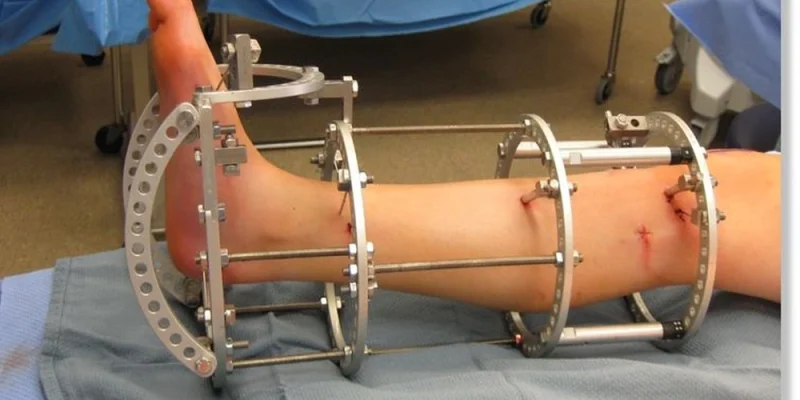
Choosing to undergo limb lengthening surgery is a significant decision that involves much more than the procedure itself. The treatment typically requires careful preparation, a substantial recovery period, rehabilitation, and ongoing medical supervision. Anyone considering surgery should therefore spend time understanding what the process may involve before making a decision.
A detailed consultation with a qualified orthopedic surgeon provides an opportunity to discuss personal goals, medical considerations, potential complications, and realistic expectations. Asking thoughtful questions can also help patients better understand whether the procedure is appropriate for their circumstances.
Am I A Suitable Candidate For The Procedure?
One of the first questions to discuss is whether you are medically suitable for limb lengthening surgery. A surgeon will typically review overall health, bone condition, medical history, mobility, and other factors that could influence treatment or recovery.
Suitability is not determined by height goals alone. The body needs to tolerate both surgery and the gradual lengthening process. Patients should disclose medications, previous orthopedic procedures, existing medical conditions, and relevant lifestyle factors during their consultation.
What Lengthening Method Will Be Used?
Modern limb lengthening procedures can involve different techniques and devices. Internal lengthening nails are one approach used in contemporary treatment, while other circumstances may require different methods.
Patients should ask which technique their surgeon recommends and why it is appropriate for them. It is also useful to understand where the bone will be lengthened and how the lengthening device works. Having a clear picture of the procedure can make the treatment plan easier to understand.
How Much Additional Height Is Realistically Possible?
While it may be appealing to concentrate solely on a desired ultimate height, biological and orthopedic factors can affect the safest possible outcome. Bone quality, anatomy, soft tissues, nerves, muscles, and the selected treatment approach can all affect the lengthening plan.
Ask the surgeon what range may be realistic in your individual case rather than relying on another patient’s experience. The surgeon should also explain what factors might require the original goal to be adjusted during treatment.
What Are The Potential Risks And Complications?
Every surgical procedure carries risks. With limb lengthening, possible complications can involve infection, joint stiffness, nerve or blood vessel problems, delayed bone healing, muscle tightness, device-related issues, or difficulties maintaining alignment.
This conversation should be specific rather than general. Ask how complications are identified, what symptoms should prompt immediate medical attention, and how problems would be managed if they occurred. Understanding possible complications is an important part of informed consent.
What Will Recovery Actually Look Like?
Recovery from limb lengthening is a gradual process rather than a single milestone. Patients may move through different phases involving initial healing, gradual lengthening, bone consolidation, and rehabilitation.
Ask what mobility may look like during each stage and whether assistive devices could be necessary. It is also worth discussing when common activities such as working, studying, traveling, driving, exercising, and living independently may become practical again. Individual recovery timelines can vary, so these discussions should be based on your specific treatment plan.
How Important Is Physical Therapy?
Physical therapy can be a major part of the limb lengthening process because muscles and other soft tissues must adapt as the bone is gradually lengthened. Maintaining flexibility, joint movement, strength, and appropriate mobility may require consistent rehabilitation.
Ask how frequently therapy will be required and whether exercises will also need to be performed at home. Patients traveling for treatment should discuss how rehabilitation and medical follow-up will continue after they return home.
How Often Will I Need Follow-Up Appointments?
Regular monitoring allows the surgical team to evaluate bone formation, alignment, mobility, and overall progress. Imaging may also be used during treatment to assess how the new bone is developing.
Before surgery, understand the expected follow-up schedule and what happens if an in-person appointment cannot be attended. International or out-of-state patients should pay particular attention to arrangements for continued monitoring after leaving the treatment location.
What Costs Should I Consider Beyond Surgery?
The quoted surgical fee may not represent every expense associated with treatment. Patients may also encounter costs related to consultations, imaging, medications, physical therapy, accommodations, transportation, assistive equipment, follow-up care, or additional treatment if complications occur.
Requesting a detailed explanation of anticipated expenses can make financial planning more realistic. It is also worth asking which services are included in the treatment package and which are billed separately.
What Experience Does The Surgical Team Have?
Because limb lengthening is a specialized orthopedic procedure, patients should understand the experience of the surgeon and supporting medical team. Ask about relevant training, the types of procedures regularly performed, follow-up protocols, and complication management.
Rather than relying solely on promotional photographs or patient stories, focus on medical qualifications, treatment protocols, transparency about risks, and the quality of ongoing care.
What Should I Expect In The Long Term?
Finally, ask about life after the lengthening and consolidation stages are complete. Discuss expected mobility, exercise, sports, device removal if applicable, future imaging, and any long-term restrictions.
The goal is to understand the entire treatment journey rather than focusing only on gaining height. Limb lengthening surgery requires preparation, patience, rehabilitation, and close cooperation with the medical team. Asking detailed questions beforehand can help prospective patients establish realistic expectations and make a better-informed decision based on their health, goals, and individual circumstances.













Comments