
 By
By 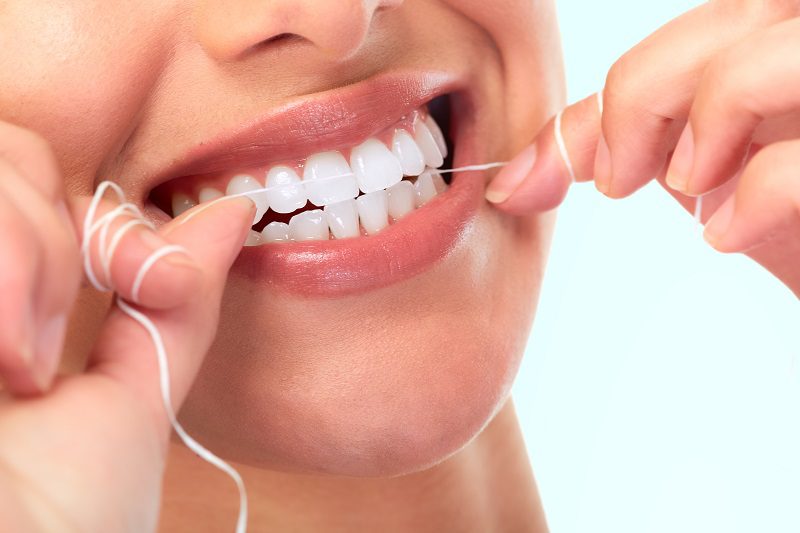
Keeping your gums in good condition is as important as taking care of your teeth. It’s easy, when everyone wants whiter or straighter smiles, to forget that healthy gums are the reason for a great-looking and strong set of teeth. If your gums are in bad shape, it will cause bad breath, bleeding, infection, and even tooth loss. Periodontists often end up having to correct conditions that could have been avoided if one just practiced the right habits. Here are some tips based on what these professionals recommend for better gum health and a brighter, healthier smile.
Brush Properly, Not Just Often
It’s not just about how many times you brush a day, but also about how you brush that matters. Too much pressure and speed can result in gum and enamel damage. On the other hand, too little pressure or missing spots means some bacteria and plaque will remain behind. Many periodontists say the most common problem they encounter is poor technique. You want to take a soft-bristled toothbrush and angle it gently toward the gum line. Small circular motions are best rather than scrubbing back and forth. It should take at least two minutes to do a good job.
Don’t Forget to Floss
Flossing may seem like an annoying extra step; however, it’s one of the most important things you can do to help prevent gum disease. Brushing alone can’t clean between teeth, which is where bacteria commonly build up and cause inflammation. Even if your gums bleed at first, flossing daily can improve that over time. Bleeding gums are often a sign that bacteria are trapped below the surface. Regular flossing helps stop plaque from hardening into tartar, which only a dentist or periodontist can remove once it forms.
Watch Out for the Warning Signs
It doesn’t necessarily hurt immediately, so it may take a while to realise it’s an issue. In fact, most people don’t realise there is anything wrong until the problem becomes quite serious. According to periodontists, the first signs include red or swollen gums, bleeding when brushing, and persistent bad breath. If you notice that your teeth appear longer or feel loose, this is a sign that your gums have started to pull back. Of course, catching these early signs is what’s best. Getting a check-up before your symptoms worsen can prevent greater treatments such as surgery or tooth removal.
Stick to Your Follow-ups
Even if your mouth feels fine, regular check-ups make a big difference. Your dentist or periodontist is going to be able to pick up on problems you can’t see or feel yet. For people with a history of gum disease, cleanings may be needed more frequently, sometimes every three to four months instead of twice a year. These visits aren’t just about cleaning; they give you a chance to ask questions and learn what you can do better at home. Prevention is much easier than treatment, and early care saves money and stress down the track. If you need an appointment with an expert periodontist in Sydney, make sure you stay consistent with your visits.
What You Eat Matters Too
It’s not just your waistline that’s affected by your diet; your diet plays a major role in oral health too. Foods containing high levels of sugar or acid feed the bacteria that lead to plaque and gum problems. On the other hand, crunchy vegetables, leafy greens, and foods rich in vitamin C support healthy gums. Another major risk factor is smoking. Periodontists caution that smoking does more than just damage your gums; it hides the signs of disease, often until it’s far advanced. Quitting the habit ranks among the best things you can do for your smile and your general health.
Final Thought
Healthy gums are the base for a brilliant, long-lasting smile. With good habits, regular care, and the help of your dentist and periodontist, you can keep your mouth in great shape for your lifetime. Gum health isn’t just an oral issue; it has links to general well-being, so it really is worth taking seriously.












Comments