
 By
By 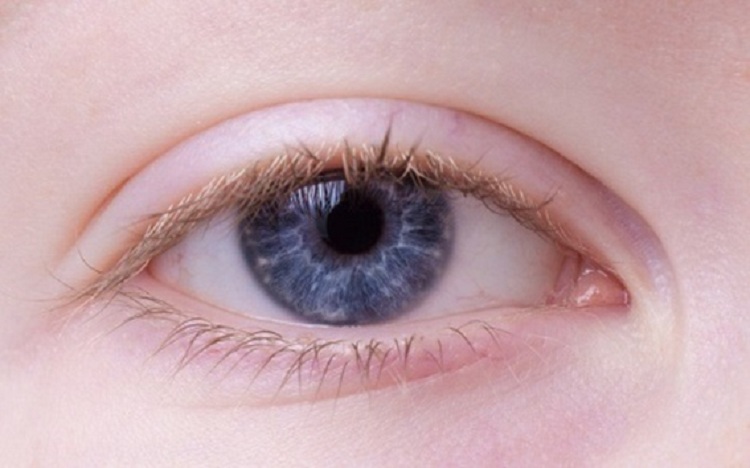
Although eyelid inflammation is the most common ophthalmologic condition on the planet, blepharitis symptoms can be overlooked or misinterpreted. To diagnose the condition, one must consider a variety of factors and exclude other possible diseases, such as dry eye symptom or conjunctivitis.
Anterior and Posterior Blepharitis Symptoms
According to the blepharitis guide, the two types of blepharitis: anterior and posterior. In fact, they are similar,but their symptoms differ because anterior blepharitis shows on the outside of the eyelids, often in the form of flaky skin. It can be concurrent with or misdiagnosed as a skin condition, like rosacea or even dandruff.
Posterior blepharitis is a condition that occurs on the inside of the eyelid. Its main symptom is the dysfunction of Conjuctiva and Meibomian glands. This leads to a disruption of eye lubrication, which results in pain, discomfort, and possible degeneration into more dangerous conditions.
Mixed blepharitis (combination of anterior and posterior) is very common. It’s diagnosed through examination and a swab should be taken from the eyelid margin to test for bacteria, fungal infection, or demodex mites. Blepharitis symptoms you should look out for include:
- Inflamed eyelids.
As blepharitis literally is eyelid inflammation, this is the most common symptom. Your lids can become red and/or sore and puffy. - Flaky eyelids.
Scaly or flaky skin is one of the common blepharitis symptoms, which often gets it mistaken for a skin condition. Look out for itching, flakes, and vesicles. - Eyelash loss.
A study featured on the National Center for Biotechnology Information highlights the need to take a biopsy test to exclude carcinoma as a possible cause of eyelash loss. The symptoms of blepharitis and sebaceous gland carcinoma are very similar, so the test is a necessary precaution. - Eyelash issues.
This type of blepharitis symptoms includes greasiness, poliosis (eyelash whitening), trichiasis (eyelash in-turning), scales, and crusting around the roots of your lashes. - Tear film production disorders.
Posterior blepharitis, in particular, interferes with tear production, which causes dry eye symptoms. Note that the dry eye syndrome is different from eyelid inflammation is that it causes discomfort late in the day. The feeling occurs due to lengthy exposure to the environment or whatever factor triggers the condition. Blepharitis, on the other hand, causes utmost discomfort in the morning, when you just wake up. - Meibomian glands issues.
The majority of blepharitis symptoms are the same as those of Meibomian glands disorders. In fact, these conditions are directly connected, that’s why blepharitis treatment is usually part of therapies focusing on the glands. Poor production of the ‘oil’, produced by the glands, is the most common problem and leads to ‘dry eye’. A more dangerous condition is chalazion, which is a cyst in the eyelid and can occur in severe cases of blepharitis. It requires immediate medical help as it may lead to the loss of sight if left untreated. - Corneal damage.
This is one of the blepharitis symptoms that only a professional will be able to notice with special equipment. It occurs in severe cases of the disease and can lead to permanent blindness.
Understanding these symptoms of blepharitis will help you notice the problem at its early stages, which increases the chance of recovery. In the majority of cases, the condition becomes chronic. However, using prescribed medications and maintaining proper eyelid hygiene should prevent the condition from degenerating into diseases that are more dangerous.










Comments